


5 Summer Foot Safety Tips: Protect Your Feet in 2026

June 18, 2026

Summer foot safety involves protecting your feet from environmental hazards like hot pavement, uneven terrain, and fungal infections while ensuring proper support. By choosing the right footwear, applying sunscreen, and staying hydrated, you can enjoy seasonal activities without pain or common injuries like sprains and blisters.

Why is summer foot safety important for outdoor activities?

As the temperatures rise in North Carolina, the change in environment and activity levels places unique stressors on your lower extremities. During the summer, we often transition from supportive, enclosed shoes to flatter, more open footwear or even go barefoot. This shift can lead to a significant increase in Foot Pain and biomechanical issues. Maintaining summer foot safety is not just about comfort; it is about preventing long-term damage to the mind, body, and spirit by keeping you mobile and active.

Outdoor adventures often mean walking on varying surfaces, from soft beach sand to hard, sun-baked asphalt. Each surface requires different levels of stability. Without proper care, you may find yourself dealing with Ankle Sprains or Achilles Tendonitis due to the lack of structural support. Our philosophy at the clinic emphasizes the body's natural ability to heal, but that healing begins with prevention and mindful movement during these high-activity months.

Exposure to heat also causes the feet to swell, which can make existing conditions like Bunions or Hammertoes more painful. By prioritizing safety, you ensure that your summer memories are defined by your adventures rather than the recovery time spent on the sidelines. Whether you are gardening in your backyard or exploring a new city, your feet are the foundation of your mobility.

Best Summer Footwear: Support Over Style

While flip-flops are the quintessential summer shoe, they are often the primary culprit behind seasonal foot injuries. Most standard flip-flops offer zero arch support and very little shock absorption. For those who already struggle with Flat Feet or Plantar Fasciitis , spending a full day in unsupportive sandals can lead to debilitating heel pain. When selecting footwear for the warmer months, look for options that secure the foot and provide a contoured footbed.

Consider these footwear features for optimal safety:

  • Arch Support: Look for built-in contours that mirror the natural shape of your foot.
  • Heel Straps: Ensure the shoe stays attached to your foot to prevent tripping.
  • Cushioning: A thick, flexible sole helps absorb the impact of hard summer surfaces.
  • Breathability: Materials like leather or technical mesh help manage moisture.
  • Proper Fit: Avoid shoes that allow your toes to hang over the edge.

For patients who require extra stability, Custom Orthotics can often be integrated into high-quality summer sandals specifically designed for orthotic use. This allows you to maintain your treatment plan while enjoying the breeze. If you find that your current summer shoes are causing discomfort, it may be time to visit our Cary Office for a professional biomechanical evaluation.

Outdoor summer activity image

How do I protect my feet from beach and pool hazards?

The beach and the community pool are centers of summer fun, but they are also breeding grounds for bacteria and physical hazards. Walking barefoot on hot sand can cause second-degree burns before you even realize it. Furthermore, public pool decks and locker rooms are primary locations for contracting Warts and Athlete's Foot . These fungal and viral infections thrive in warm, damp environments and can be difficult to eradicate once they take hold.

To keep your feet safe in these high-risk areas, consider the following precautions:

  • Wear Water Shoes: Protect your soles from hot sand and sharp shells at the beach.
  • Use Shower Sandals: Never walk barefoot in public locker rooms or pool areas.
  • Dry Thoroughly: Moisture trapped between toes leads to fungal growth.
  • Inspect Daily: Check for small cuts or punctures that could lead to infection.
  • Avoid Shared Items: Do not share towels or footwear with others.

For those with specific health concerns, such as diabetes, these risks are amplified. Proper Diabetic Foot Care requires even more vigilance during the summer. A small cut from a seashell or a blister from the heat can quickly escalate into a serious complication if not managed immediately. Our team specializing in Wound Care is always available to assist if an injury occurs during your beach vacation.

Protecting Skin from Sun and Heat

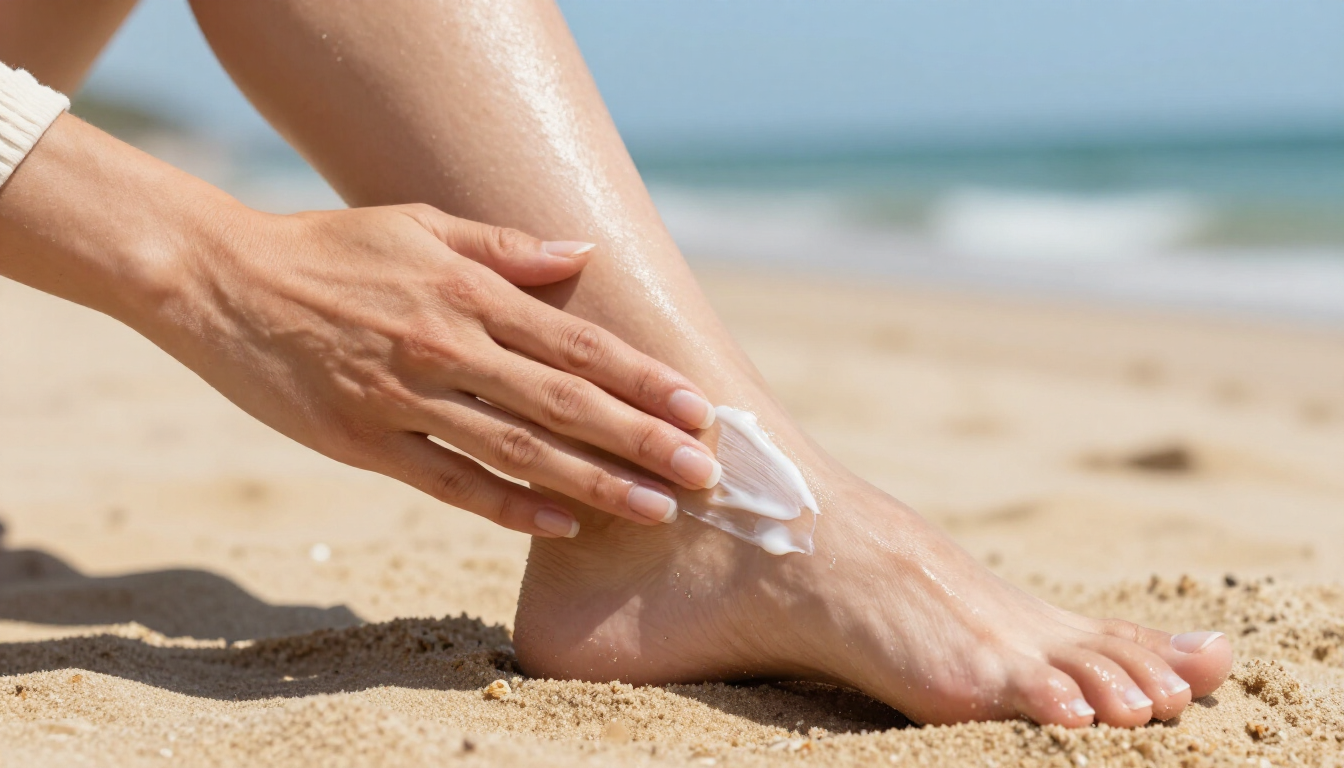
One of the most overlooked aspects of summer foot safety is sun protection. People often remember to apply sunscreen to their faces, shoulders, and legs, but the tops of the feet are frequently forgotten. The skin on the top of your foot is thin and highly susceptible to sunburn and even skin cancer. Furthermore, excessive heat can lead to localized swelling, especially if you are standing for long periods at festivals or neighborhood events.

Managing heat and sun exposure requires a proactive approach. Applying a broad-spectrum sunscreen of at least SPF 30 to all exposed areas of the feet is essential. Additionally, staying hydrated helps regulate your overall body temperature and can reduce the severity of foot and ankle swelling. If you notice persistent swelling or Ankle Pain after a day in the sun, it may be a sign that your body is struggling to manage the heat or that you have sustained a minor soft-tissue injury.

Applying sunscreen to feet

Preventing Common Summer Foot Ailments

The combination of sweat, heat, and activity makes certain foot conditions more prevalent during the summer months. Fungal Toenails are a common concern as feet spend more time in damp environments. Similarly, increased physical activity without a gradual buildup can lead to overuse injuries. Many people jump into summer sports or long walking tours without proper conditioning, which can result in Heel Spurs or general Heel Pain .

If you are an athlete or a weekend warrior, our Sports Medicine services can help you prepare your feet for the demands of the season. We believe in treating each patient individually, ensuring that your specific activity level and foot structure are considered in your care plan. If we find an issue that requires advanced intervention, we may utilize treatments like Remy Laser to accelerate the natural healing process and get you back on your feet faster.

What should I do if I get a summer foot injury?

Despite your best efforts at prevention, injuries can still happen. If you experience a sharp pain, significant swelling, or an injury that doesn't improve with rest, it is important to seek professional help early. Ignoring a problem can turn a minor strain into a condition requiring Foot and Ankle Surgery . Early intervention is key to maintaining your active, pain-free lifestyle throughout the remainder of the warm weather.

At our clinic, we provide comprehensive care for patients of all ages, including specialized Geriatric Foot Care and treatments for children experiencing Growing Pains . Our goal is to ensure the health of our community, one patient at a time. If you sustain an injury this summer, follow these immediate steps:

  • Rest: Stop the activity that caused the pain immediately.
  • Ice: Apply ice to the affected area for 15-20 minutes at a time.
  • Compression: Use a light bandage to manage swelling if necessary.
  • Elevation: Keep your foot above your heart level.
  • Consult a Specialist: Schedule an appointment at our Apex Office or Dunn Office .

Summary of Summer Foot Health Strategies

Maintaining summer foot safety is the most effective way to ensure you stay active and comfortable during the year's warmest months. By prioritizing supportive footwear over fashion, protecting your skin from the sun, and being mindful of the environments where you go barefoot, you can prevent the majority of seasonal foot injuries. Remember that your feet are the foundation of your overall well-being and deserve the same care and attention as the rest of your body.

  • Choose footwear with arch support and heel straps for all outdoor activities.
  • Apply sunscreen to the tops of your feet and stay hydrated to manage swelling.
  • Wear protection in public wet areas to avoid fungal infections and warts.
  • Inspect your feet daily for cuts, blisters, or unusual changes in the skin.
  • Seek professional care immediately if you experience persistent pain or injury.

If you are ready to take the next step in your foot health journey, we invite you to explore our Services or visit our New Patients page to get started. Our dedicated team, including Dr. Elizabeth B. Daughtry , Dr. Joel D. Kelly , Dr. Jay J. Moradia , Dr. Eric Simmons , and Dr. Michael Tomey , is here to help you maintain optimal foot health for a vibrant, pain-free summer.

By VIV Builder April 9, 2026
Keep your feet healthy and pain-free this Foot Health Awareness Month. Learn about heel pain, orthotics, diabetic care, and injury treatment to stay active.
By VIV Builder March 17, 2026
Achilles tendonitis can cause heel pain and stiffness that worsens over time. Learn the symptoms, causes, and how podiatry care can help you recover and stay active.
By VIV Builder March 1, 2026
Ingrown toenails can quickly become painful if left untreated. Learn causes, symptoms, and how podiatry care can provide safe, effective relief and prevention.
By VIV Builder February 19, 2026
Don’t ignore an ankle sprain. Learn symptoms, causes, and why early treatment is key to preventing long-term pain and instability with expert podiatry care.
By VIV Builder February 5, 2026
Show your feet some love this February. Learn about common foot problems like heel pain, ingrown toenails, and diabetic foot care, and how podiatry treatment can help.
By VIV Builder January 23, 2026
Learn what a podiatrist does and how they can help treat foot and ankle conditions. Discover when to seek care and how to stay active, pain-free, and healthy.

By VIV Builder January 9, 2026
Start the new year pain-free by addressing heel pain early. Learn common causes like plantar fasciitis and how podiatry care can help you stay active and comfortable.

By VIV Builder December 18, 2025
Start 2026 on the right foot with expert podiatry care. Learn how to prevent foot pain, improve mobility, and stay active with comprehensive exams and treatment options.
December 4, 2025
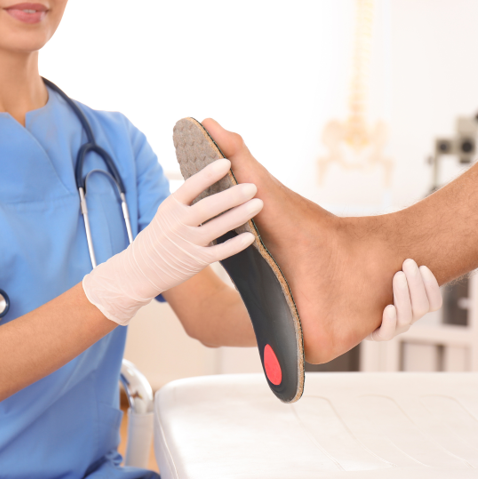
December is the season of giving, and there’s no better gift than comfort. If you’re looking for something meaningful, helpful, and long-lasting, custom orthotics are a great choice. They support the feet, improve balance, and make everyday activities easier and more comfortable. Why Orthotics Make a Great Gift Many people struggle with foot pain, tired feet, or discomfort when walking or standing. Custom orthotics can help by: Reducing foot, heel, and arch pain Providing better alignment and support Improving comfort during work, exercise, and daily routines Helping prevent future foot problems They are a thoughtful gift for anyone—especially those who stay on their feet all day, enjoy being active, or dealing with ongoing foot issues. How Our Team Can Help Our podiatry team offers: Custom Orthotic Fittings tailored to your foot shape and needs Foot Evaluations to identify pain points and pressure areas Supportive Shoe Recommendations for everyday comfort Ongoing Care for long-term foot health Give Comfort This Christmas If you’re searching for a gift that truly helps someone feel better, custom orthotics are a smart and meaningful choice. Contact our office to schedule an appointment or learn more about how orthotics can bring comfort all year long.

November 7, 2025
November marks National Diabetes Awareness Month , a time dedicated to raising awareness, supporting those affected, and sharing ways to live healthier with diabetes. With diabetes impacting millions of Americans, proactive foot care remains one of the most important—and often overlooked—parts of diabetes management. Why Foot Health Matters Diabetes can affect the feet in several ways, and early prevention is key. High blood sugar levels may lead to: Nerve damage (neuropathy) that causes numbness, tingling, or loss of sensation Reduced blood flow , slowing the healing process Higher risk of infections, wounds, and ulcers , which can become serious if left untreated Healthy, routine foot care can help prevent complications and support mobility, comfort, and long-term wellness. How Our Podiatry Team Supports Diabetic Foot Health We provide comprehensive diabetic foot care to protect, prevent, and treat foot-related concerns, including: Routine Diabetic Foot Exams Early detection and intervention to address concerns before they become more serious. Custom Orthotics Personalized support to improve balance, relieve pressure points, and enhance walking comfort. Advanced Wound Care Specialized treatment plans for wounds, ulcers, or injuries to promote faster healing and reduce risks. Footwear Guidance Recommendations for proper shoes and inserts designed to prevent irritation, friction, and injury. We’re Here to Help You Stay Healthy Caring for your feet is an essential part of staying active, independent, and healthy with diabetes. Whether you have questions about preventive care, footwear, or treatment options, our podiatrists are here to guide and support you every step of the way. This month is a great time to schedule a diabetic foot check or talk with us about ways to keep your feet protected year-round. Together, we can work toward better foot health and a healthier life with diabetes.

Show More